
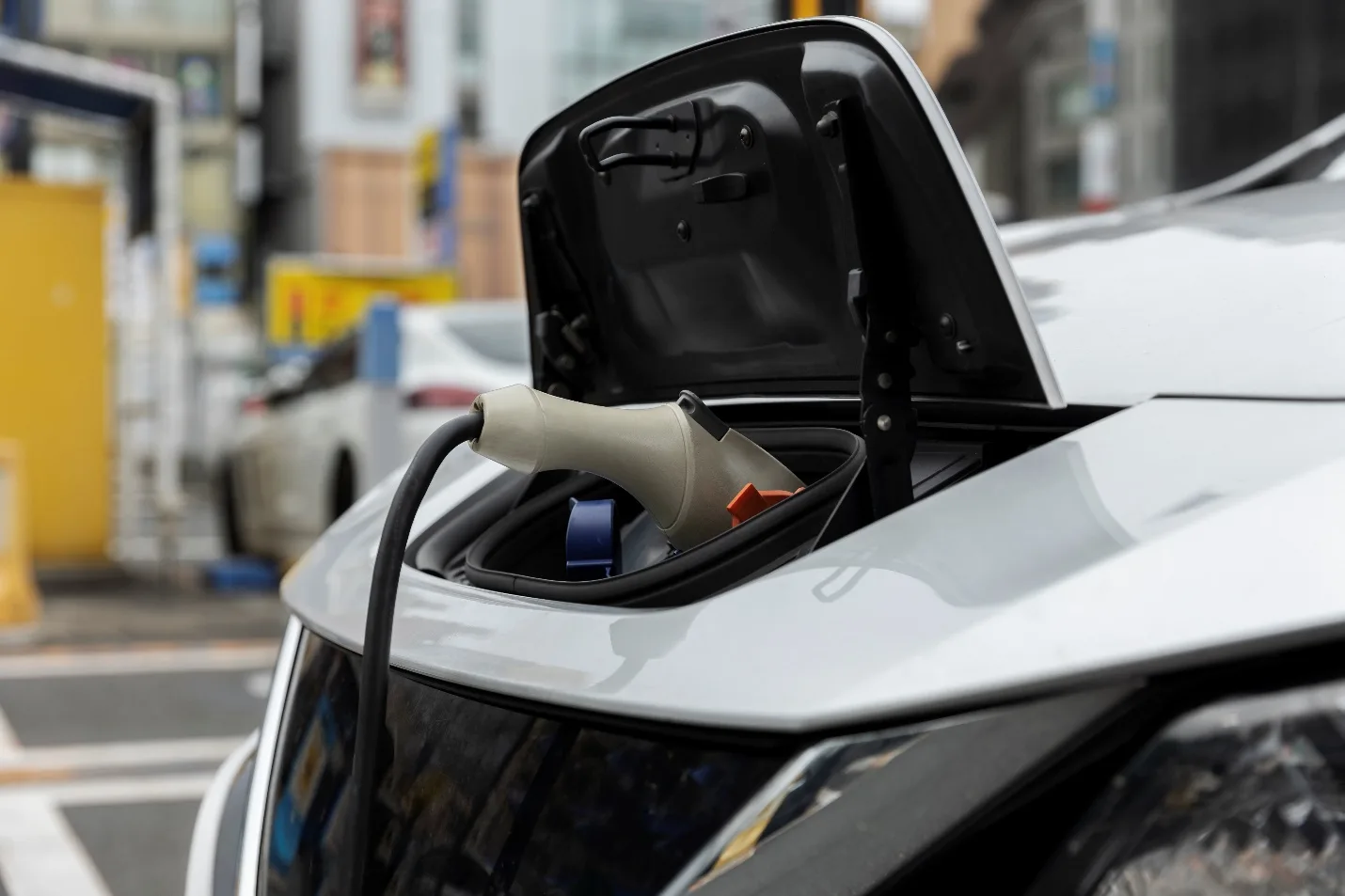
Summary
- DC fast charger types deliver rapid charging for electric vehicles by converting AC power to DC before reaching the vehicle
- AC chargers are slower but more cost-effective for extended parking periods and smaller commercial facilities
- DC fast charging plug types include CCS, CHAdeMO, and Tesla Supercharger connectors
- Level 3 DC chargers cost $25,000-$200,000 with installation ranging from $25,000-$100,000+ per unit
- Level 2 AC chargers cost $1,500-$10,000 with installation from $3,000-$10,000+ per charger
- Business location, customer needs, and budget determine which charging solution works best
- Professional installation ensures safety, compliance, and optimal performance for commercial properties
Table of Contents
Introduction
Electric vehicle adoption continues to surge across Gardena and Hawthorne, creating new opportunities for businesses to serve EV drivers. But choosing between AC and DC charging stations can feel overwhelming. The difference between these two charging methods affects everything from installation costs to customer experience.
Understanding electric car DC fast charger technology versus traditional AC charging helps business owners make smart decisions about their EV infrastructure investments. This guide breaks down the key differences, costs, and benefits of each system to help you choose the right charging solution for your commercial property.
What Are AC Chargers?
AC (Alternating Current) chargers work by delivering electrical power to your vehicle’s onboard charger, which then converts the AC power to DC power for battery storage. Think of AC charging like filling a water tank through a garden hose – it’s steady and reliable, but takes time.
Most residential and workplace charging happens through AC systems. These chargers plug into standard electrical outlets or dedicated 240-volt circuits, making them familiar to most property owners.
AC charging typically falls into two categories:
- Level 1: Standard household outlets (120V)
- Level 2: Dedicated 240V circuits (like electric dryer outlets)
Level 2 AC chargers cost between $1,500-$10,000, with installation ranging from $3,000-$10,000+ per charger depending on electrical upgrades, trenching work, and permit requirements.
What Are DC Fast Chargers?
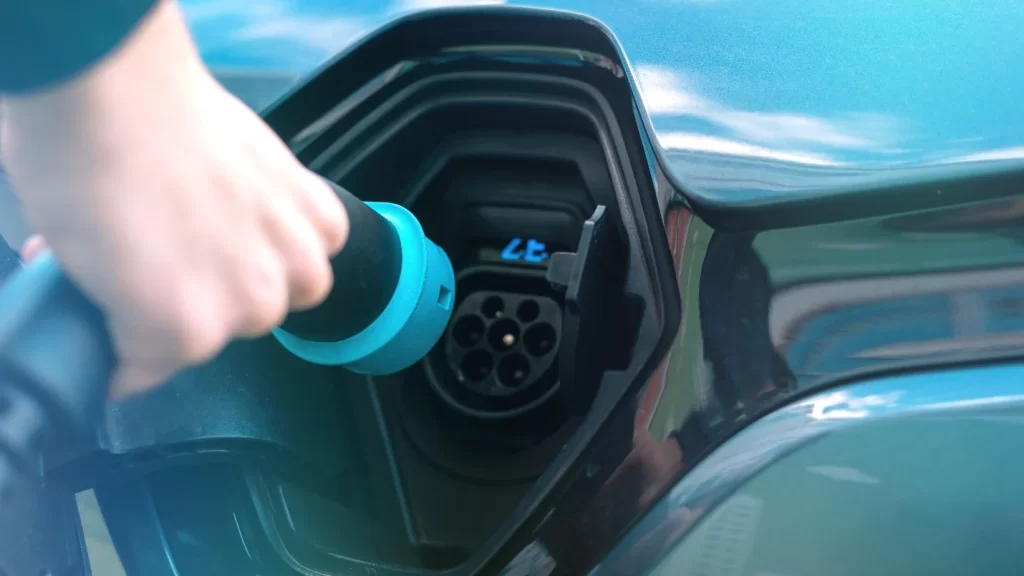
DC (Direct Current) chargers bypass the vehicle’s onboard charger entirely. They convert AC power from the electrical grid to DC power before sending it directly to the vehicle’s battery. This is like connecting a fire hose directly to your water tank – much faster, but requiring more infrastructure.
A dc fast charger delivers significantly more power than AC systems, allowing electric vehicles to charge to 80% capacity in 20-60 minutes instead of several hours. This speed makes DC charging ideal for highway rest stops, retail locations, and anywhere customers need quick turnaround times.
DC fast charging requires substantial electrical infrastructure. Most installations need dedicated transformers, upgraded electrical panels, and robust cooling systems to handle the high-power loads safely.
Types of DC Chargers
Understanding the different types of dc chargers helps you choose the right equipment for your specific needs and budget.
Level 3 DC Fast Chargers These powerful systems deliver 50kW to 350kW of charging power. Level 3 chargers cost $25,000-$200,000 per unit, with installation expenses ranging from $25,000-$100,000+ per charger. Installation complexity depends on electrical upgrades, trenching requirements, and local permit costs.
Ultra-Fast DC Chargers The newest generation delivers up to 350kW, charging compatible vehicles in under 20 minutes. These systems require significant electrical infrastructure and cooling systems, making them ideal for high-traffic commercial locations.
Connector Types Different vehicles use different charging plugs:
- CCS (Combined Charging System): Most American and European EVs
- CHAdeMO: Primarily Nissan and some Asian manufacturers
- Tesla Supercharger: Tesla vehicles (though newer stations include CCS adapters)
Electric Car DC Fast Charger: How It Works
An electric car dc fast charger operates through a sophisticated process that delivers rapid charging while protecting both the vehicle and electrical system.
The charging station receives AC power from the electrical grid, then uses internal power electronics to convert this to high-voltage DC power. Advanced communication protocols between the charger and vehicle ensure safe power delivery at optimal charging rates.
Built-in safety systems monitor temperature, current flow, and battery conditions throughout the charging session. If any parameter exceeds safe limits, the system automatically adjusts power delivery or stops charging entirely.
Modern DC chargers also include payment processing, network connectivity, and remote monitoring capabilities. This allows business owners to track usage, manage pricing, and troubleshoot issues remotely.
Key Differences Between DC Fast Chargers and AC Chargers
Charging Speed
The most obvious difference is charging time. DC systems can add 200+ miles of range in 30 minutes, while AC charging typically adds 25-40 miles per hour of charging.
Installation Costs
AC chargers require less electrical infrastructure, making them more budget-friendly for smaller businesses. DC installations often need utility upgrades, dedicated transformers, and specialized electrical work.
Equipment Costs
AC Level 2 chargers cost $1,500-$10,000, while DC systems start at $25,000 and can exceed $200,000 for ultra-fast units.
Electrical Requirements
AC chargers typically need 208-240V circuits with 30-80 amp capacity. DC chargers require 480V three-phase power with 100-1000+ amp capacity, often necessitating utility service upgrades.
Maintenance and Operation
AC chargers have fewer moving parts and simpler electronics, resulting in lower maintenance costs. DC chargers include complex power electronics, cooling systems, and communication equipment that require specialized servicing.
Choosing the Right Charger for Your Needs

Your business location, customer patterns, and budget determine which charging solution makes sense.
Consider DC Fast Charging If
- Your location serves highway travelers or long-distance commuters
- Customers typically visit for 30-60 minutes (restaurants, shopping centers)
- You want to attract EV drivers specifically with premium charging amenities
- Your electrical service can handle high-power loads without major upgrades
Consider AC Charging If
- Customers park for several hours (workplaces, hotels, residential complexes)
- Budget constraints limit initial investment
- Your electrical service would need major upgrades for DC charging
- You’re testing EV charging demand before committing to larger investments
For Gardena and Hawthorne businesses, consider your customer demographics and local EV adoption rates. Areas with heavy commuter traffic often benefit more from DC fast charging, while workplace locations typically see better utilization with AC systems.
Future Trends in EV Charging
The EV charging landscape continues evolving rapidly. Emerging technologies promise even faster charging speeds, improved efficiency, and lower costs.
Bi-Directional Charging Vehicle-to-grid technology allows EVs to send power back to buildings or the electrical grid during peak demand periods. This creates new revenue opportunities for businesses with charging infrastructure.
Wireless Charging Inductive charging systems eliminate cables entirely, allowing vehicles to charge simply by parking over charging pads. While still emerging, this technology could revolutionize commercial charging convenience.
Battery Technology Advances Improved battery chemistry enables faster charging acceptance, reducing the infrastructure requirements for high-speed charging while extending battery life.
Grid Integration Smart charging systems automatically adjust power delivery based on electricity prices, grid demand, and renewable energy availability, reducing operating costs for businesses.
Conclusion
Choosing between DC fast chargers and AC chargers depends on your specific business needs, customer patterns, and budget. DC fast charging offers speed and convenience but requires substantial investment and electrical infrastructure. AC charging provides cost-effective solutions for longer parking durations.
For Gardena and Hawthorne businesses considering EV charging infrastructure, professional assessment ensures you choose the right system for your situation. Proper installation and electrical design protect your investment while providing reliable service for your customers.
FAQs
DC fast charger installation typically takes 3-8 weeks from permit approval to completion. The timeline depends on electrical upgrades needed, utility coordination, and local permit processing times. AC charger installations are usually faster, taking 1-3 weeks.
Most commercial buildings need electrical upgrades for DC fast charging. These systems require 480V three-phase power with high amperage capacity. Our team evaluates your current electrical service and recommends necessary upgrades during the initial assessment.
Both cities require electrical permits for charging station installations. DC fast chargers often need additional building permits due to their size and electrical requirements. We handle all permit applications and ensure compliance with local codes.
Revenue varies based on location, pricing, and usage patterns. Businesses typically charge $0.25-$0.50 per kWh for DC fast charging and $0.15-$0.30 for AC charging. High-traffic locations can generate $500-$2,000+ monthly per charging port.
AC chargers need minimal maintenance – mainly periodic cleaning and electrical inspections. DC fast chargers require more attention, including cooling system maintenance, software updates, and annual electrical testing. Most manufacturers offer service contracts.
CCS (Combined Charging System) connectors serve the majority of EVs on the road. For maximum compatibility, consider stations with both CCS and CHAdeMO connectors. Tesla adapters are becoming standard on newer charging networks.
Most commercial insurance policies cover EV charging equipment, but verify with your provider. Some insurers offer specific coverage for charging station liability and equipment damage. Professional installation reduces insurance concerns.
This depends on your current electrical capacity and the type of chargers you want. Level 2 AC chargers might work with existing panels if you have adequate capacity. DC fast chargers almost always require panel upgrades or additional electrical infrastructure.
Most modern chargers include remote monitoring that alerts service teams to issues. Many problems can be resolved remotely through software resets. For hardware issues, most manufacturers provide 24/7 technical support and on-site repair services.
Yes, federal tax credits up to 30% of installation costs are available for commercial EV charging equipment through 2032. California offers additional rebates through programs like CALeVIP. We help customers identify and apply for available incentives.