
Summary
- Commercial Level 2 chargers cost $1,500-$10,000 for equipment and $3,000-$10,000+ for installation
- Average ROI timeline is 2-3 years for most commercial properties
- Attract eco-conscious customers and increase dwell time by 30-50%
- Generate passive revenue through charging fees ($3-$6 per hour)
- Federal tax credits cover up to 30% of installation costs
- Ideal for businesses where customers park 4-10 hours
Table of Contents
Introduction
Electric vehicles are no longer a future trend—they’re driving into commercial parking lots right now. With EV sales hitting record numbers and more drivers choosing electric, business owners face an important question: should you install a commercial Level 2 charging station?
The answer isn’t just about keeping up with technology. It’s about understanding real costs, actual returns, and whether this investment makes sense for your business in Gardena, Hawthorne, and the greater Los Angeles area.
What Is a Commercial Level 2 Charging Station?
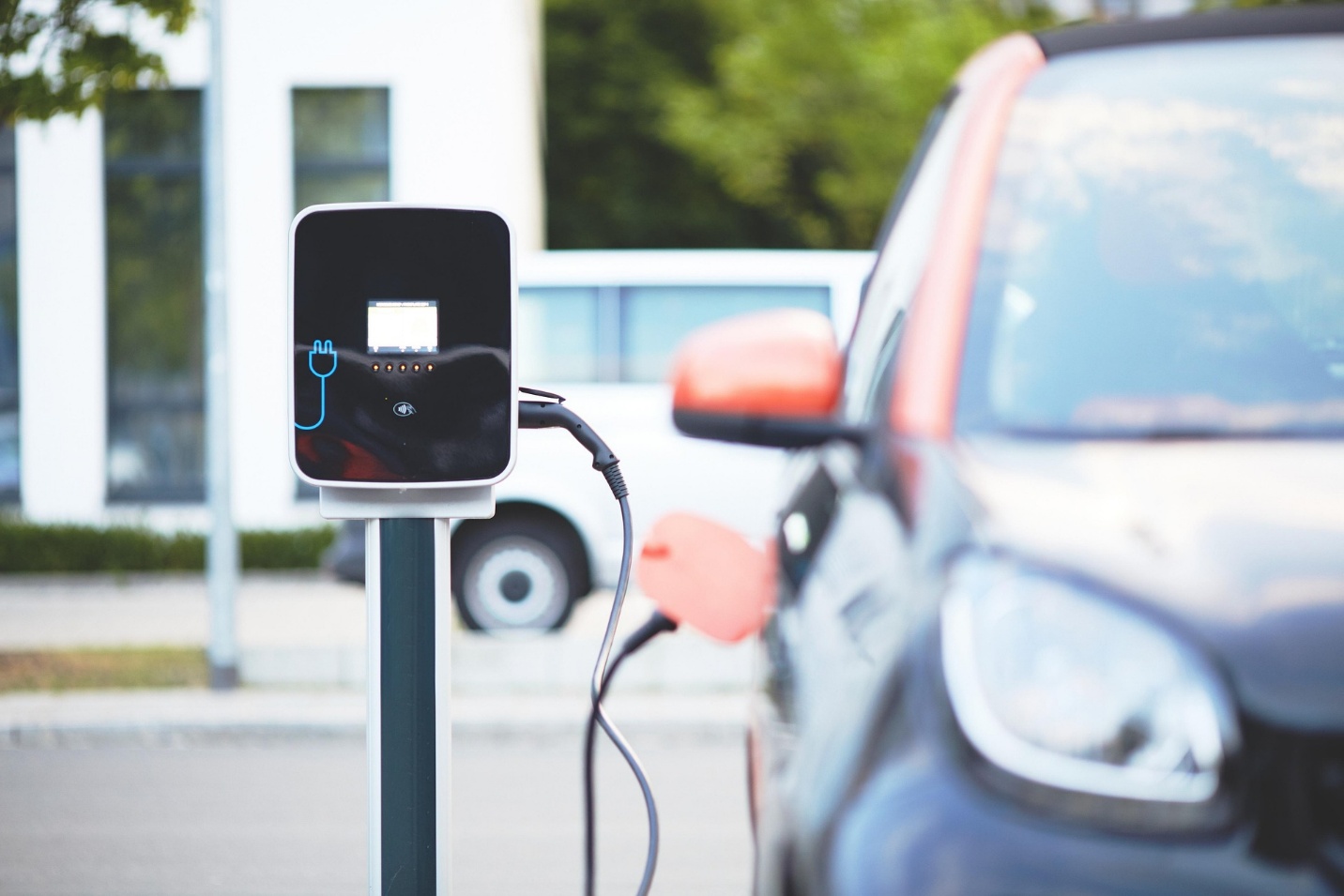
A commercial Level 2 charging station is a 240-volt electric vehicle charger designed for business use. Unlike the slow Level 1 chargers people use at home, Level 2 chargers deliver 20-40 miles of range per hour.
Think of it this way: while your customers shop, dine, or attend a meeting, their vehicle charges. A typical EV can reach a full charge in 4-10 hours with a Level 2 charger—perfect timing for businesses where people naturally spend several hours.
These aren’t your basic garage electric car charger units. Commercial-grade systems come with payment processing, network connectivity, and durability designed for constant outdoor use.
How Level 2 Chargers Work?
Level 2 chargers convert standard AC power into the energy your customer’s EV battery needs. The charger communicates with the vehicle to deliver the right amount of power safely.
Here’s what happens when someone plugs in: The driver connects the J1772 plug to their vehicle. The charger and car confirm compatibility and battery status. Power flows at a controlled rate—typically between 3.3 kW to 19.2 kW. The charging session continues until the battery is full or the driver unplugs.
Modern commercial units include smart features like scheduling, usage tracking, and remote monitoring. This means you can see exactly how much your chargers are being used and adjust your strategy accordingly.
Cost Breakdown of Installing a Commercial Level 2 Charger

Let’s talk real numbers. The commercial level 2 charging station cost includes more than just the charger itself.
Equipment costs range from $1,500 to $10,000 per unit. Basic models start around $1,500-$2,500, while premium units with dual ports and advanced features can reach $10,000.
Installation costs are where things get interesting. You’re looking at $3,000 to $10,000+ per charger, depending on distance from your electrical panel, whether you need panel upgrades or transformer work, trenching and conduit requirements, local permit fees, and load management systems for multiple chargers.
A typical mid-range installation for a business with decent electrical infrastructure runs $8,000-$15,000 per charging port. Properties needing significant electrical upgrades could see costs climb beyond $20,000.
Don’t forget ongoing expenses: electricity costs, network fees (typically $200-$1,000 annually), and periodic maintenance.
Ready to get an accurate quote for your property? Tercero Inc. provides detailed assessments of your electrical infrastructure and creates custom solutions that fit your budget.
Benefits of Investing in a Commercial Level 2 Charging Station
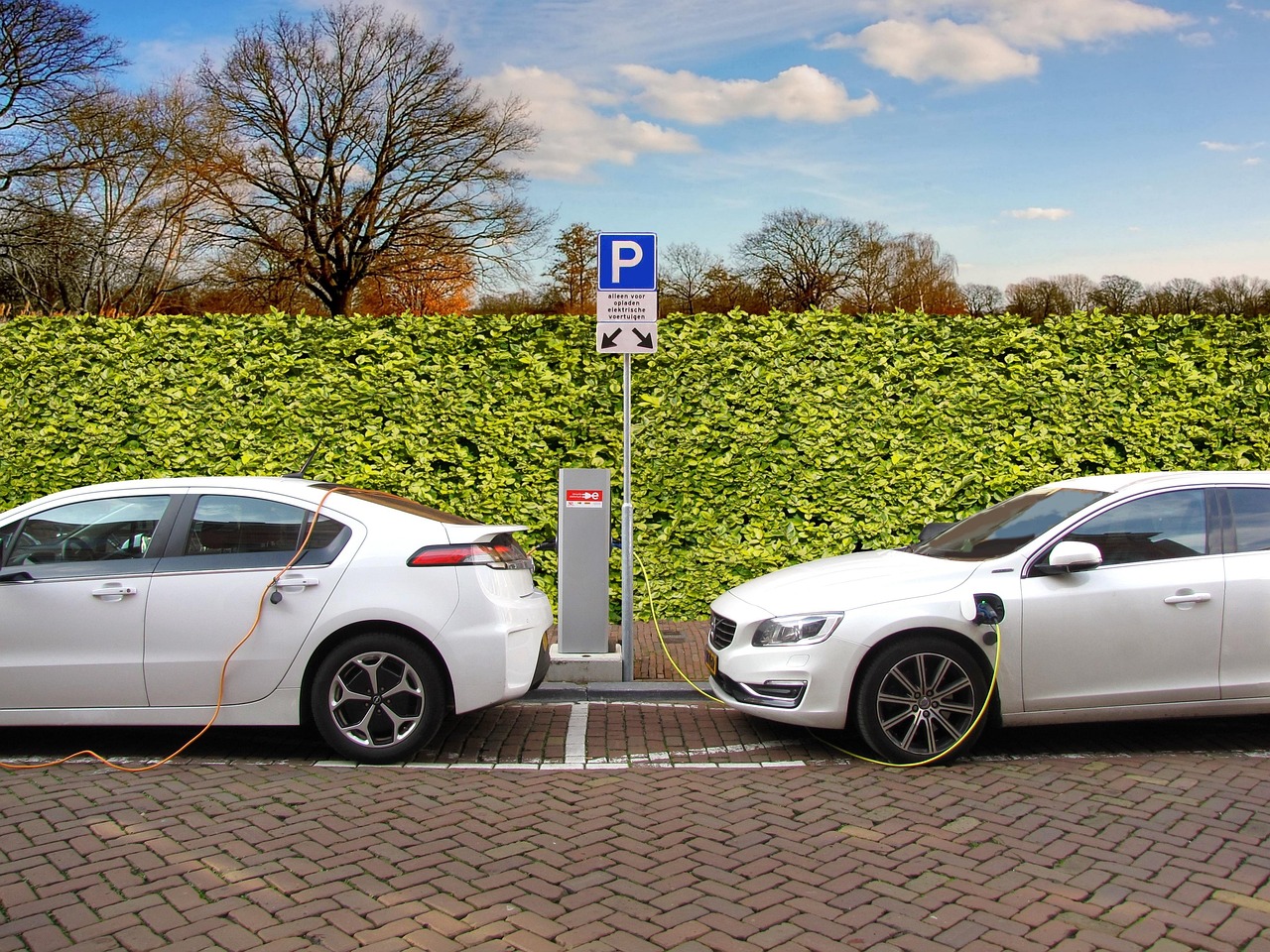
The benefits go far beyond just offering an EV charger for garage parking. Commercial charging stations can transform how customers interact with your business.
Customer attraction and retention top the list. Studies show that 55% of EV owners prefer businesses with charging stations—and they stay longer. One retail study found that customers with charging EVs spent 30-50% more time in stores, directly increasing purchase amounts.
Passive income generation creates a new revenue stream. Charging fees typically bring in $3-$6 per hour per charger. Even with moderate usage—say 10 hours daily—that’s $60 per day or $1,800 monthly per charger.
Brand positioning matters more than you might think. Millennials are 75% more likely to choose environmentally friendly businesses, while Gen Z will spend 10% more to support sustainable companies. An EV charger in garage areas or parking lots signals that your business aligns with these values.
Property value increases when you install permanent EV infrastructure. Commercial properties with charging stations attract higher-quality tenants and command premium lease rates.
Competitive differentiation gives you an edge. Most businesses still don’t offer EV charging. Being among the first in your area positions you as an industry leader.
Factors to Consider Before Installation
Before you commit to installing a commercial car charging station cost, examine these critical factors.
Your electrical infrastructure determines much of your installation expense. Have a licensed electrical contractor assess your current panel capacity. If your system can’t handle the additional load, you’ll need upgrades—potentially adding $5,000-$50,000 to your project.
Customer parking patterns tell you if Level 2 makes sense. These chargers work best where people park for several hours. Office buildings, shopping centers, restaurants, and entertainment venues are ideal.
Location and visibility affect usage rates. Chargers near amenities see 40% higher utilization than those in remote corners. Place them where EV drivers can easily spot them and access other services while charging.
Available incentives can dramatically reduce your out-of-pocket costs. The federal Alternative Fuel Infrastructure Tax Credit currently covers 30% of installation costs. California programs like CALeVIP offer thousands more per port.
ROI and Financial Considerations
Let’s talk bottom line: when will you see your money back?
Most commercial properties achieve positive ROI within 2-3 years. Here’s how the math works:
Revenue streams include direct charging fees, increased customer spending, and potentially advertising revenue on charger screens. A single Level 2 charger generating $60 daily revenue brings in $21,900 annually.
Cost recovery happens faster when you stack incentives. A $15,000 installation project drops to $10,500 after the 30% federal tax credit. Add state and utility rebates, and you might recoup 50% of costs immediately.
Calculate your potential ROI using this formula: ROI = (Total Revenue – Total Costs) / Total Costs × 100
Need help calculating your specific ROI? Contact Tercero Inc. for a customized financial analysis based on your property type, location, and expected usage patterns.
Common Misconceptions About Commercial EV Chargers
Let’s clear up some myths holding business owners back.
“Installation is too expensive” might feel true upfront, but incentives and ROI change this picture. Many businesses recover costs faster than expected, especially when factoring in increased customer revenue.
“EVs are still too rare” doesn’t match current data. EV sales reached 1.36 million in 2023 and continue growing. By 2030, EVs could represent 40% of new vehicle sales.
“Maintenance costs are high” isn’t accurate for quality equipment. Level 2 chargers typically need $300-$500 yearly maintenance—less than most commercial HVAC systems.
“Only Tesla drivers need chargers” overlooks that most EVs use standard J1772 connectors. Level 2 chargers work with virtually all electric vehicles.
Alternative Options
Level 2 isn’t your only choice. Understanding alternatives helps you make the right decision.
Level 1 chargers cost less but charge too slowly for commercial use. They’re really only practical for residential applications.
Level 3 DC fast chargers deliver 80% charge in 20-30 minutes but cost $25,000-$200,000 for equipment alone. Installation adds another $25,000-$100,000+. These make sense for high-traffic locations like highway rest stops—but most businesses don’t need this speed or expense.
Hybrid approaches let you start with one or two Level 2 chargers and expand based on demand. This reduces initial investment while testing the market.
For most commercial properties in the Gardena and Hawthorne area, Level 2 chargers hit the sweet spot of cost, performance, and customer need.
Conclusion
A commercial Level 2 charging station represents a smart investment for most commercial properties. With equipment and installation costs ranging from $4,500 to $20,000 per charger, and typical ROI timelines of 2-3 years, the financial case makes sense—especially with federal tax credits covering 30% of costs.
Beyond the numbers, charging stations attract customers, increase dwell time, generate passive income, and position your business as forward-thinking. As EV adoption accelerates toward 40% of new vehicle sales by 2030, businesses with charging infrastructure will serve growing customer demand.
The real question isn’t whether EVs are coming—they’re already here. The question is whether you’ll be ready when EV drivers look for their next place to shop, dine, or do business.
Ready to join the EV revolution? Tercero Inc. specializes in commercial electrical solutions, including complete EV charging station design and installation. With over 30 years of experience serving Gardena, Hawthorne, and the greater Los Angeles area, we handle everything: electrical assessments, permit processing, equipment selection, installation, and ongoing support. Contact us today for a free consultation and discover how commercial EV charging can work for your business.
FAQ
Installation costs range from $4,500 to $20,000 per charger, including equipment ($1,500-$10,000) and installation labor ($3,000-$10,000+). Your final cost depends on electrical infrastructure, distance from power sources, permits, and whether you need panel upgrades. The federal tax credit covers 30% of installation costs, significantly reducing your out-of-pocket expense.
Most businesses see positive ROI within 2-3 years. High-traffic locations with strong utilization can break even in 18-24 months. ROI depends on charging fees, increased customer spending, utilization rates, and available incentives that reduce upfront costs.
Level 2 chargers use 240V power and fully charge most EVs in 4-10 hours, costing $4,500-$20,000 installed. Level 3 DC fast chargers use 480V power and charge to 80% in 20-30 minutes but cost $50,000-$300,000+ installed. Level 2 works best for businesses where customers park several hours; Level 3 suits quick-stop locations.
Starting with one or two chargers is perfectly fine and lets you test demand before expanding. Monitor usage patterns for 6-12 months, then add capacity based on actual need. This approach minimizes initial investment while ensuring you’re not over-building infrastructure.
Level 2 chargers typically need $300-$500 in annual maintenance. This includes periodic inspections, cleaning, software updates, and occasional part replacements. Quality equipment from reputable manufacturers reduces maintenance frequency and costs. Most businesses schedule semi-annual check-ups to ensure optimal performance.
Yes. Most businesses charge $0.20-$0.60 per kWh or $1-$5 per hour. A single charger used 10 hours daily can generate $1,800-$2,200 monthly. You can also increase indirect revenue through longer customer dwell times, with studies showing EV drivers spend 30-50% more time and money at businesses with charging.
The federal Alternative Fuel Infrastructure Tax Credit currently covers 30% of installation costs, up to $100,000 per location. California offers additional programs like CALeVIP with thousands in rebates per port. Many utilities also provide rebates or reduced electricity rates. Stacking these incentives can cover 50% or more of total costs.
Place chargers where they’re highly visible from main entrances, near amenities like building entrances or retail areas, and accessible without blocking regular traffic flow. Chargers near restaurants, shops, or waiting areas see 40% higher utilization than remote locations. Consider future expansion when selecting initial sites.
Level 2 chargers with J1772 connectors work with virtually all electric vehicles sold in North America, including Nissan Leaf, Chevy Bolt, Ford F-150 Lightning, and most others. Tesla drivers can use adapters. This universal compatibility means your investment serves the broadest possible customer base.
Many properties need electrical panel upgrades, transformer additions, or new dedicated circuits. Older buildings may require significant electrical infrastructure improvements costing $5,000-$50,000+. A professional electrical assessment from contractors like Tercero Inc. identifies your specific needs and prevents surprise costs during installation.