Summary
- Local EV charging station contractors save you money by getting the installation right the first time.
- Their knowledge of local codes and permitting avoids costly delays, while accurate load calculations prevent unnecessary electrical upgrades.
- They also help you secure rebates and incentives that cut thousands off installation costs.
- By choosing the right equipment and designing a future-ready system, contractors reduce long-term expenses and protect your investment.
Table of Contents
Introduction
The shift to electric vehicles (EVs) is underway. While ownership is on the rise, the challenge is in building the infrastructure to support this growth and finding the right EV charging stations installation contractors.
While EV charging is as simple as plugging in an appliance, installation requires precise integration with your building’s electrical system, accurate load calculations, and strict code compliance. Without professional expertise, you risk costly, unnecessary panel upgrades or serious hazards from faulty wiring.
EV charging station contractors handle technical details, secure permits, and ensure your setup is safe, efficient, and cost-effective. This guide explains why hiring local contractors is the best option for your business, outlines the potential cost savings associated with doing so, and discusses the role of contractors in EV installation.
Why Hiring Local EV Charging Station Contractors Matters
Working with professional EV charging stations installation contractors in your area offers clear benefits that affect safety, cost, and performance. Here’s why local expertise matters:
1. Knowledge of Local Codes and Permits
Local contractors are familiar with the specific local regulations, permitting processes, and inspection requirements for your area. This knowledge helps streamline the installation process, reducing delays and ensuring compliance with regulations.
2. Finding Rebates and Incentives
Rebates, tax credits, and utility programs vary by state and provider. Experienced electric vehicle charging contractors know which rebates and programs you can apply to, reducing the cost of installation and your financial burden. Contractors will often handle the paperwork and application process for you.
3. Knowing Your Building’s Electrical Setup
Local contractors are familiar with common panel types and wiring in your neighborhood. They provide accurate load calculations to ensure your panel supports the new installation.
Cost Savings from Choosing Experienced EV Charging Contractors

While it may seem initially expensive, hiring experienced EV charging station installation contractors usually saves you money in the long term. Their expertise prevents costly mistakes, ensures your system code compliance, and helps you access rebates and incentives.
1. Avoiding Costly Mistakes
Inexperienced installers can make mistakes requiring expensive fixes or a complete rework. These are mistakes a professional EV charging contractor would know to avoid. For instance, experienced local contractors are familiar with local electrical codes, ensuring that installations are safe and preventing potential fines and the need for costly modifications.
2. Optimizing Equipment Selection
Experienced contractors can help you select the most suitable and efficient EV chargers for your specific needs. This helps prevent overspending on unnecessary features or equipment that is poorly suited. They also use high-quality materials and components, ensuring that your charging infrastructure can withstand harsh climatic conditions without losing its efficiency.
3. Access to Incentives and Rebates
Federal tax credits, state funding programs, and utility rebates can cut installation costs by thousands of dollars. The challenge is knowing which incentives apply and how to secure them. Experienced contractors stay up-to-date on available programs and guide you through the application process, ensuring you maximize every opportunity. By handling the paperwork and approvals, they save you time and help you unlock significant upfront savings.
4. Safe and Efficient Operation
Improper installations often result in frequent charger failures, which can cost businesses revenue and leave drivers frustrated. They are also a safety risk to your building, employees, and customers. Hiring experienced contractors ensures that chargers are set up according to the manufacturer’s standards and industry safety codes.
Understanding the Role of EV Charging Station Contractors Near You
Choosing local EV charging station contractors is about more than wiring a charger; it protects your home and investment. These professionals manage the process from start to finish, ensuring NEC compliance and reliable performance.
The key roles of EV charging station contractors include:
1. Planning and Design
Before anything is installed, contractors will assess your property’s electrical system and available capacity. They will inspect your main service panel to determine if it can withstand the additional load of EV chargers or if an upgrade is necessary.
2. Permitting and Compliance
Local contractors are familiar with the permitting requirements in your area. They ensure that your installation meets the National Electric Code (NEC) standards, ADA accessibility requirements, and local building codes. This helps speed up the approval and prevent unnecessary reworks.
3. Professional Installation
Your contractors handle the physical installation of EV charging point companies and their electrical infrastructure. This ensures that it is done correctly and in accordance with all relevant rules and instructions, whether local or federal.
4. Performance Testing
After the installation is complete, contractors test all performance metrics, including voltage, current draw, and communication between the charger and EVs, to ensure reliable and efficient performance. The results of this testing can also provide the necessary documentation for any warranty or rebate application.
5. Ongoing Maintenance and Support
Most EV charging station contractors near me provide ongoing support and maintenance services, including routine inspections and software updates for smart chargers. They also offer emergency services, minimizing downtime and ensuring your chargers continue operating reliably.
How Electric Vehicle Charging Service Providers Add Value
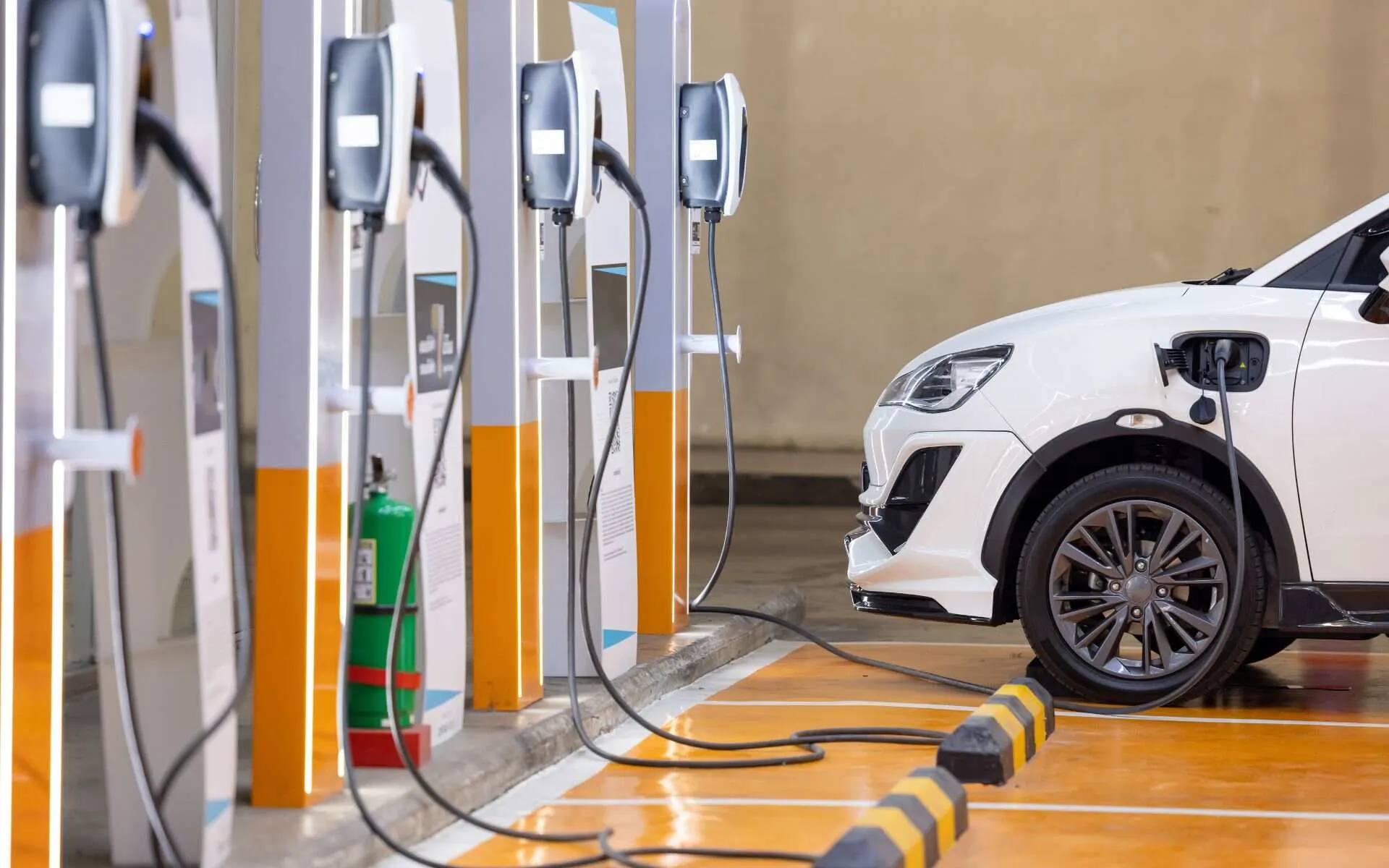
Beyond basic installation, hiring professional EV charging stations installation contractors adds value in ways that save money, improve reliability, and future-proof your infrastructure, ensuring you get the maximum return on your investment.
1. Scalability and Future-Proofing
Installing an EV charging station isn’t just about meeting today’s demand; it’s about preparing for tomorrow. A well-planned system is designed with flexibility in mind, ensuring compatibility with multiple charger types and vehicle models.
By including infrastructure that allows for additional circuits, conduit, or higher-capacity panels, you can expand your charging capabilities later without expensive retrofits or redesigns. This approach protects your investment and keeps your property ready for the future as EV adoption continues to grow.
For instance, a business with a small fleet might start with four Level 2 chargers but prepare the site to accommodate 20 as the fleet expands.
2. Increased Property Value
The McKinsey & Company suggests that reliable EV charging is an amenity sought by customers, tenants, and employees who drive electric vehicles. It also increases the value of your property and gives you a competitive edge in negotiating sales and rents.
3. Improved Brand Image
Providing eco-friendly EV charging solutions demonstrates your commitment to green initiatives, which can enhance your corporate image, improve brand perception, and customer loyalty.
Tips for Choosing the Right Local EV Charging Contractors
Picking the right professional matters as much as picking the charger. Here’s what to look for when choosing:
1. Specialized Training & Certification
Not all electricians are qualified. Ask for evidence of formal training and certification. Certifications from reputable organizations, such as the Electric Vehicle Infrastructure Training Program (EVITP), are a strong sign.
2. Licensing, Insurance, and Permits
Verify licensing and insurance. Insist on seeing proof of licensing with the California State License Board (CSLB) and adequate insurance for commercial electrical work.
3. Local Knowledge
Confirm their knowledge of local building codes, permitting processes, and your utility provider’s requirements. This reduces delays and ensures your installation is code-compliant.
4. Assess Experience
Look for contractors that are familiar with your specific installation requirements. Prioritize experience in commercial EV charger installations (level 2 and DC fast chargers).
5. Check their Reviews
Customer testimonials, online reviews, or case studies from past projects give insight into the contractor’s reliability and quality of work. A proven track record is a strong indicator you’re making the right choice.
Competitive Advantage in the Market
Since not all commercial spaces offer EV charging, being one of the few grants a first-mover advantage in the industry. It gives you a competitive edge, helping you stand-out from competitors and establishing your company as an EV-friendly destination. This ensures you secure loyalty and a significant market size before the trend becomes common.
Conclusion
Hiring local EV charging stations installation contractors is the most effective way of ensuring your chargers are installed correctly –according to state laws, local building codes, and the NEC. Local contractors are also familiar with cost-saving measures, including federal, state, and utility programs, which can help reduce the installation cost, saving you thousands of dollars.
Beyond installation, local contractors also provide maintenance and repair services, helping to minimize downtime, loss of productivity, and customer frustrations. Tercero Inc. provides 24/7 emergency response, helping to enhance charger stability, reliability, and safety.
FAQ
Local contractors ensure your system is installed correctly the first time, avoiding costly rework or failed inspections. They also know which rebates and incentives apply in your area, helping you save thousands upfront.
Yes. DIY or inexperienced work often leads to failed inspections, code violations, or even hazardous wiring. Fixing those mistakes can cost more than the original installation. A licensed contractor handles permits, compliance, and installation efficiently, saving money in the long run.
Depending on your state and utility provider, you may be eligible for federal tax credits (up to 30% of project costs), state clean energy grants, or utility rebates that cover part of the installation costs. Contractors stay current on these programs and often manage the application process on your behalf.
Yes. Accurate load calculations ensure you upgrade only when necessary. Many homeowners overspend on panel upgrades when their existing service can handle the new charger with the aid of load management solutions.
They are familiar with your local permitting office, inspection timelines, and utility requirements. This speeds up approvals and reduces costly delays that can occur if paperwork is submitted incorrectly.
A properly installed charger operates efficiently, minimizing power losses and reducing maintenance costs. It also prevents breakdowns that could take chargers offline, costing businesses lost revenue and homeowners repair bills.
Often yes. Running conduit, trenching, and electrical upgrades are more cost-effective when done in a single project. Contractors can also design scalable systems that allow for future expansion without expensive rework.
Yes. Properties with EV charging attract eco-conscious tenants, employees, and customers. According to McKinsey, buildings with sustainable amenities often command higher rents and resale values, providing a financial advantage.
They design with expansion in mind by installing conduit, circuits, and panels that can support additional chargers in the future. This prevents the need for tearing up concrete or rewiring later, saving thousands in retrofit costs.
Local contractors know your utility’s rebate programs, city inspection requirements, and even standard electrical layouts in your area. That knowledge shortens project timelines and maximizes incentives.